
March 2026 Newsletter
HEY NEIGHBOUR!
Footy season is back in Melbourne, which means optimism is running high… at least for some supporters. For us Carlton fans, the start of the season tends to come with a slightly different feeling — hope mixed with the quiet fear that it might all go sideways again.
Outside the footy bubble, the economic mood is a little less entertaining. Global conflict continues to push petrol prices higher, and as we all know, when fuel goes up it doesn’t take long for the cost of everything else to follow. Transport costs rise, businesses pass on expenses, and suddenly the weekly household budget is under pressure yet again.
Of course, Melbourne property owners have become very familiar with what usually follows. Inflation ticks upward — often for reasons completely outside the control of Australian households — and the next conversation quickly turns to interest rates. The danger is that rising petrol and energy costs, driven largely by global events, suddenly become the justification for tightening monetary policy once again.
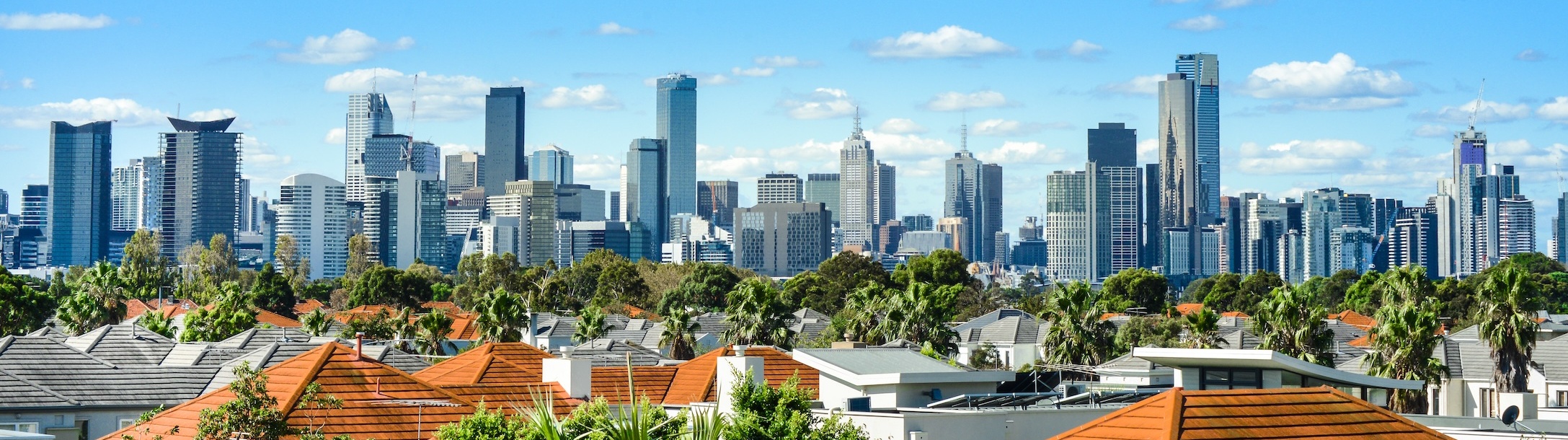
At the same time, Melbourne continues to receive international accolades, with the city recently being voted the best city in the world. While that recognition is something we should all be proud of, it does raise a few uncomfortable questions locally. Residents are increasingly concerned about incidents of violent crime that seem to appear more frequently in the news, and property investors are facing mounting pressure from rising land taxes and a government balance sheet that appears to be under significant strain.
What makes the situation particularly frustrating for property owners is that higher interest rates do nothing to solve the underlying drivers of inflation. They won’t lower petrol prices, resolve international conflicts or reduce the cost of energy. What they do achieve, however, is placing additional financial pressure on mortgage holders, investors and businesses who are already absorbing higher operating costs across the board.
One can only hope that the banks and policymakers resist the urge to use this latest spike in fuel-driven inflation as justification for another rate hike. Property owners and mortgage holders have already done more than their fair share of the heavy lifting over the past few years, and the idea that every global disruption should automatically translate into higher borrowing costs is wearing a little thin.
In the meantime, Melbourne rolls on — the auctions continue, the rental market remains tight, and the footy gives us something else to enjoy on the weekend.
Warmest wishes,
Carmela
MARKET INSIGHTS
We strive to stay up to date on the latest market trends. Here are a few articles we think are worth reading.
Strong Start to the 2026 Auction Market (cotality.com.au)
The 2026 property market has begun with stronger-than-expected auction results across Australia, particularly in Melbourne. Data from Cotality shows preliminary clearance rates rebounding significantly after the quieter end to 2025. Early February results recorded a preliminary clearance rate of around 73.7%, one of the strongest results since late 2025.
Melbourne also continues to host the highest number of auctions nationally, highlighting the city’s ongoing role as Australia’s most active auction market. Strong early clearance rates suggest buyers are still active despite rising borrowing costs and economic uncertainty.
Key Points:
- Preliminary clearance rates have rebounded to around 73.7%early in 2026.
- Melbourne continues to host the largest volume of auctions nationally.
- Strong results indicate buyer demand remains resilient despite higher interest rates.
Rental Market Pressure Continues as Vacancy Rates Tighten (cotality.com.au)
Australia’s rental market continues to experience tight supply, with vacancy rates sitting well below long-term averages. According to Cotality rental data, vacancy rates nationally have fallen to around 1.7%, significantly lower than the pre-COVID decade average of roughly 3.3%.
This limited availability of rental stock is continuing to push rents higher across many markets, while affordability pressures remain a major concern for tenants. The shortage of rental listings — down 11% year-on-year — highlights the ongoing imbalance between supply and demand.
Key Points:
- Vacancy rates have fallen to around 1.7% nationally, well below historic averages.
- Rental listings are down 11% year-on-year, indicating tight supply.
- Annual rental growth has reached around 5.2%, reflecting continued demand.
Interest Rate Rises Yet Property Market Remains Resilient (abc.net.au)
Recent interest rate increases have had less impact on the property market than many analysts expected. According to recent reporting, housing markets across Australia have remained resilient despite higher borrowing costs.
While price growth in Melbourne and Sydney has slowed compared with previous years, demand in many areas remains strong as buyers look to secure property before further rate changes potentially occur. This dynamic highlights the ongoing strength of the property market even in a higher-rate environment.
Key Points:
- Interest rate rises have not significantly slowed property demand.
- Melbourne home prices have remained relatively steady in recent months.
- Some buyers are moving sooner to avoid potential future rate increases.
Melbourne Named the World’s Best City (timeout.com)
Melbourne has again been named the world’s best city, reinforcing its global reputation for liveability and lifestyle. This recognition highlights the city’s strong long-term appeal, supporting continued population growth, investment and housing demand.
Key points:
- Melbourne has been ranked the best city in the world,reflecting its global reputation for lifestyle and culture.
- Strong liveability rankings help support population growth and long-term housing demand.
- International recognition reinforces Melbourne’s status as a desirable location for residents, investors and businesses.


